
Written by: A.B. Ridgeway, EA, MBA, CPWA®️

Investing can feel like a giant puzzle—especially if you’re new to managing money.
Many first-time investors hesitate to work with a financial advisor. You may worry that you don’t have enough money, fear high costs, or even feel embarrassed about not knowing where to start.
Let me reassure you: you’re not alone.
Even after more than a decade as a financial advisor, I’m still learning. Financial knowledge isn’t something you’re born with—it’s something you build over time. Everyone starts somewhere.
That’s exactly why this episode of The Ridgeway Report exists: to help you move past fear and into clarity.
Common Financial Questions Almost Everyone Asks
At some point in life, most people ask the same core financial questions:
- How do I save for retirement effectively?
- How much should I have in an emergency fund?
- How do I get out of debt?
- Should I pay off my mortgage early?
- How can I pass wealth to my children responsibly?
These aren’t “beginner” questions—they’re life questions.
And the good news is, you don’t have to answer them on your own.
What a Financial Advisor Actually Does
A common misconception is that a financial advisor is there to judge your past decisions or criticize your current savings.
That couldn’t be further from the truth.
A financial advisor’s role is to focus on:
- Where you are today
- Where you want to go
- How to bridge that gap with a clear plan
Every financial journey is different, but the process to build confidence and structure is often the same.
The Financial Planning Process
Here’s what working with a financial advisor typically looks like:
- Clarify Your Goals
You talk through what matters most—retirement, family, freedom, or peace of mind. - Organize Your Financial Picture
Income, expenses, debt, assets—everything comes together in one place. - Build a Financial Plan
A strategy is created to help you make smarter decisions today for a better tomorrow.
A financial advisor doesn’t just give advice—they organize your finances so you can make better choices with confidence.
Why Planning Early Matters More Than You Think
One of the biggest mistakes I see is people waiting for a large sum of money—an inheritance, retirement savings, or a major windfall—before seeking advice.
When that money arrives, uncertainty often follows:
- What should I do with it?
- How do I avoid making a costly mistake?
- Am I managing this responsibly?
Planning looks very different when you already have $500,000 versus when you’re working toward it.
Building a relationship with a trusted advisor before major financial events allows you to make strategic decisions when those moments arrive—rather than reactive ones.
Don’t Let Fear or Shame Hold You Back
Many people feel embarrassed about their finances because money isn’t taught in school. That lack of education creates unnecessary shame.
But here’s the truth:
Facing your finances isn’t a weakness—it’s wisdom.
Finance is a broad field, even professionals specialize in different areas. Retirement planning, debt management, and wealth transfer are lifelong learning processes.
The first step is simply acknowledging where you are.
Finding the Right Financial Advisor for You
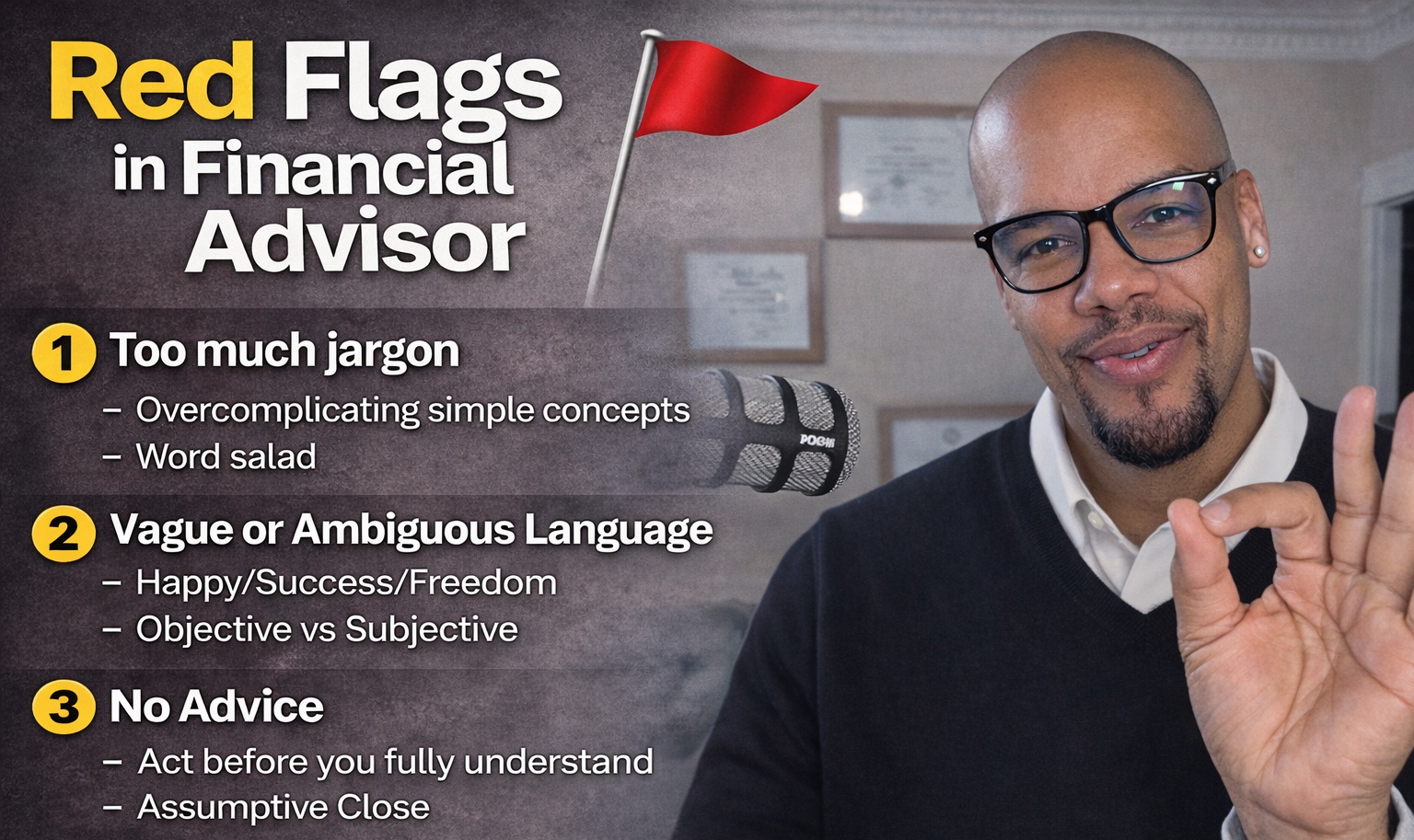
Choosing a financial advisor is personal. Look for someone who:
- Listens carefully to your goals and concerns
- Clearly explains fees and services
- Respects your values and decisions
- Helps you understand—not overwhelm you
Hiring a financial advisor should feel as natural as hiring a mechanic for your car. You don’t need to know everything—you just need someone you trust.
Life Changes—Your Financial Plan Should Too
As life evolves, so should your financial plan.
Marriage, children, career changes, income shifts—each one impacts your finances. Having a flexible plan and a trusted advisor helps you adapt with confidence instead of stress.
The earlier you build that foundation, the easier it becomes to navigate change.
Take the Next Step With Confidence
If this topic resonates with you, I strongly encourage you to listen to the full episode of The Ridgeway Report. It’s designed to normalize your concerns and help you see financial planning as a tool—not a threat.
If you’re ready to move beyond uncertainty, the next step is simple:
👉 Schedule a consultation to talk through your financial goals and challenges.
You don’t need to have everything figured out. You just need to start.
Free Resource: Build Your Financial Foundation
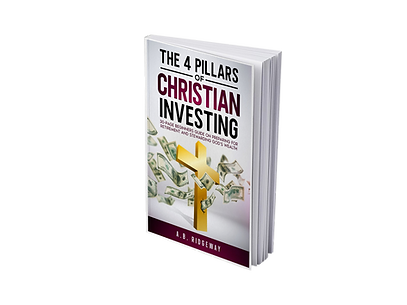
Join our newsletter and receive our free 19-page eBook
“4 Financial Principles Every Christian Should Know”
It covers:
- 401k and retirement basics
- Debt management
- Saving and investing
- Wealth transfer—all from a biblical perspective
Start where you are. Build with purpose. Plan with confidence.
Your financial future doesn’t begin with perfection—it begins with action.
About the Author
A.B. Ridgeway, CPWA® is the founder of A.B. Ridgeway Wealth Management and host of The Ridgeway Report. He specializes in helping retirees and pre-retirees create reliable income, invest with clarity, and make confident financial decisions.
Join our Newsletter and receive our free 19-page e-book “4 Financial Principles Every Christian Should Know”
Click Here To Get Your Free Gift
About The Ridgeway Report:
As Christians, we were taught to be good stewards over our tithing and giving to the less fortunate. But when it came to our personal finances and investing we were left clueless on what the Bible says. What does the Bible say about managing debt, leaving a legacy, investing, and planning for your retirement? Mr. Christian Finance answers these and many other questions because we want to teach you how to become rich and righteous!
Meet A.B. Ridgeway:

A.B. Ridgeway, MBA, CPWA®️ (info@abrwealthmanagement.com) is the owner and Christian Financial Advisor with A.B. Ridgeway Wealth Management. With a decade in the finance industry, his goal is to give believers clarity around the most confusing topic in the Bible, money, and tithing. A.B. Ridgeway helps tithing Christians become cheerful givers but unlocking their money-making potential, so they can prosper and be the great stewards of the wealth God has entrusted them with.
*Disclaimer: This communication is not intended as an offer or solicitation to buy, hold or sell any financial instrument or investment advisory services. Any information provided has been obtained from sources considered reliable, but we do not guarantee the accuracy or the completeness of any description of securities, markets or developments mentioned. This is strictly for information purposes. We recommend you speak with a professional financial advisor.
*Some elements in this blog was created, restructured, edited or summarized by AI and may have altered from the original content. Warning: There may be errors that were creating during this transition that were not in the original content. Please double check all information.