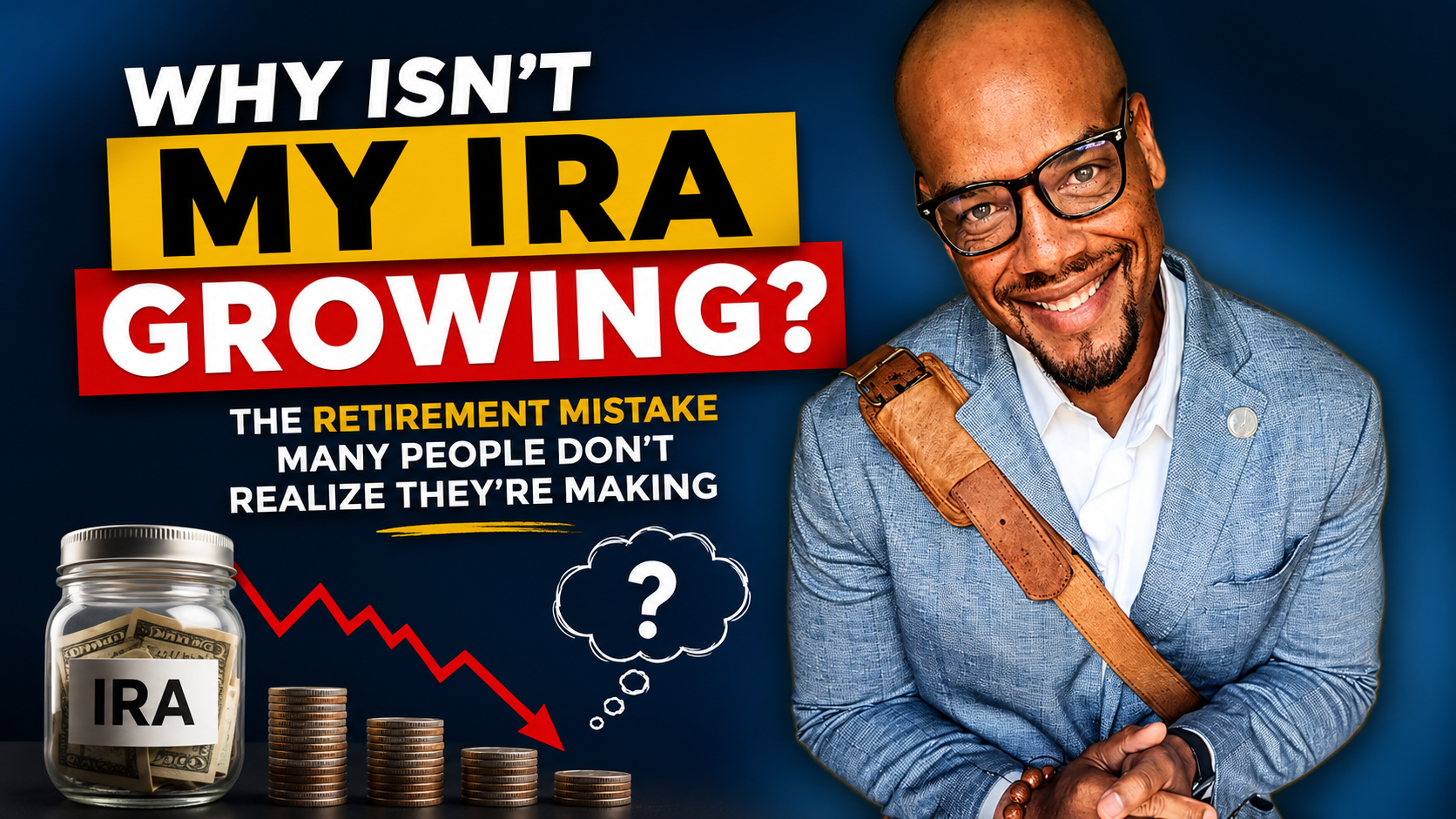

Americans are cashing out their 401ks at record levels.
And no, this isn’t about borrowing from a 401k or taking a temporary loan.
This is about people completely wiping out their retirement accounts—often without fully understanding the long-term damage they’re doing until it’s too late.
“If you’ve ever thought about touching your 401k retirement money, you need to slow down and understand what’s really happening.”
In this article, we’re breaking down why this trend is accelerating, what’s driving people to make these decisions, and—most importantly—what you should do before you even think about moving or cashing out your retirement money.
A Dangerous Trend Hiding in Plain Sight
Recent studies show that early withdrawals from retirement accounts are rising, not falling.
That may not sound alarming at first—but in retirement planning, this is a massive red flag.
The average American now carries over $100,000 in debt. As credit cards get maxed out and loans pile up, many people feel backed into a corner—and they start reaching for the one pool of money they can still access: their retirement account.
“We like to call it spending tomorrow’s dollar today.”
And while that might bring temporary relief, it often creates long-term financial pain that’s far worse.
Debt, Lifestyle, and the Hard Truth Most People Avoid
Debt, by its very nature, tells you something important:
You are living above your means.
That doesn’t mean you’re irresponsible.
It doesn’t mean you’ve failed.
Most of us go through an accumulation stage in life:
- Buying a first home
- Purchasing a car
- Raising a family
- Paying high rent
- Building a career
It’s unrealistic to expect a 20- or 30-year-old to have hundreds of thousands of dollars in cash. Debt can be a tool—if it’s used intentionally.
But the real question is this:
“What are we buying?”
Are we using debt to purchase appreciating assets, like a home?
Or are we financing depreciating items, like clothes, electronics, and lifestyle spending?
This distinction matters—because it often determines whether your retirement account becomes a safety net… or a casualty.
The Real Reason People Are Cashing Out Their 401ks
Here’s what should truly concern you:
Most 401k withdrawals are not for vacations or luxury spending.
They’re for:
- Medical bills
- Eviction threats
- Emergency expenses
- Financial survival
And this reveals an even deeper issue.
“People who don’t have emergency savings are far more likely to raid their retirement accounts.”
Without a 3–6 month emergency fund, your 401k becomes the default backup plan—even though it was never designed for that purpose.
This leads to an important (and uncomfortable) question:
What decisions were made before the emergency happened?
- Was money spent on things that weren’t necessary?
- Was saving consistently postponed?
- Was debt allowed to grow unchecked?
Because when people become desperate, long-term thinking disappears—and successful retirement planning depends entirely on long-term thinking.
Job Changes Are Making the Problem Worse
Today’s workforce is more mobile than ever. Job changes are frequent, raises are uncertain, and workloads are increasing without matching compensation.
And here’s where many people make a catastrophic mistake:
They don’t know how to properly roll over their 401k when they leave a job.
Instead of preserving their retirement assets, they cash them out—sometimes out of necessity, sometimes out of confusion.
If you’re under 59½, cashing out your 401k can trigger:
- A 10% early withdrawal penalty
- Federal and state income taxes
- The permanent loss of tax-deferred growth
- The loss of employer contributions
- The loss of decades of compound interest
In many cases, up to 47% of your money can disappear because of one poor decision.
“That’s 4.7 years out of every 10 years you worked—gone.”
Is that a price you really want to pay?
The Right Goal: Preservation, Not Liquidation
If you’re approaching retirement, recently retired, or navigating a job transition, the goal is simple:
Preserve your wealth—don’t give it away.
Cashing out a 401k to move it into a savings account may feel safer, but it often does far more harm than good.
You’re not just losing money today—you’re sacrificing:
- Future income
- Tax advantages
- Growth potential
- Financial flexibility later in life
And while today may feel easier, tomorrow becomes much harder.
What You Should Do Instead: Prepare, Plan, Execute
1. Prepare
You have two levers:
- Lower your lifestyle
- Increase your income
If your income rises but your lifestyle stays the same, financial pressure disappears. As my father always said:
“If you live below your means, you’ll always have money.”
2. Plan
A real financial plan includes:
- Income and expenses
- Net worth
- Debt strategy
- Emergency savings
- Investment growth
Knowing your numbers gives you clarity, confidence, and peace of mind.
3. Execute
Rolling over a 401k involves many moving parts. One mistake can cost you years of work.
That’s why professional guidance matters—especially when the stakes are this high.
Before You Touch Your 401k, Talk to a Professional
If you have an old 401k, are changing jobs, or are feeling pressure to cash out just to stay afloat, do not make this decision alone.
👉 Schedule a consultation before you move or touch your retirement account.
Together, we can:
- Review your options
- Avoid unnecessary taxes and penalties
- Protect your retirement
- Create a plan that fits your real life—not just theory
Your retirement account represents years of your life.
Don’t let one rushed decision undo decades of progress.
Preserve your wealth. Protect your future.
—
A.B. Ridgeway
Certified Private Wealth Advisor®
Host of The Ridgeway Report
👉 Schedule your consultation today before making any changes to your 401k.
About the Author
A.B. Ridgeway, CPWA® is the founder of A.B. Ridgeway Wealth Management and host of The Ridgeway Report. He specializes in helping retirees and pre-retirees create reliable income, invest with clarity, and make confident financial decisions.
Join our Newsletter and receive our free 19-page e-book “4 Financial Principles Every Christian Should Know”

Click Here To Get Your Free Gift
About The Ridgeway Report:
As Christians, we were taught to be good stewards over our tithing and giving to the less fortunate. But when it came to our personal finances and investing we were left clueless on what the Bible says. What does the Bible say about managing debt, leaving a legacy, investing, and planning for your retirement? Mr. Christian Finance answers these and many other questions because we want to teach you how to become rich and righteous!
Meet A.B. Ridgeway:

A.B. Ridgeway, MBA, CPWA®️ (info@abrwealthmanagement.com) is the owner and Christian Financial Advisor with A.B. Ridgeway Wealth Management. With a decade in the finance industry, his goal is to give believers clarity around the most confusing topic in the Bible, money, and tithing. A.B. Ridgeway helps tithing Christians become cheerful givers but unlocking their money-making potential, so they can prosper and be the great stewards of the wealth God has entrusted them with.
*Disclaimer: This communication is not intended as an offer or solicitation to buy, hold or sell any financial instrument or investment advisory services. Any information provided has been obtained from sources considered reliable, but we do not guarantee the accuracy or the completeness of any description of securities, markets or developments mentioned. This is strictly for information purposes. We recommend you speak with a professional financial advisor.
*Some elements in this blog was created, restructured, edited or summarized by AI and may have altered from the original content. Warning: There may be errors that were creating during this transition that were not in the original content. Please double check all information.